Communal Area Cleaning: Creating Safer, Healthier, and More Welcoming Shared Spaces
Why Communal Area Cleaning Matters for Every Property
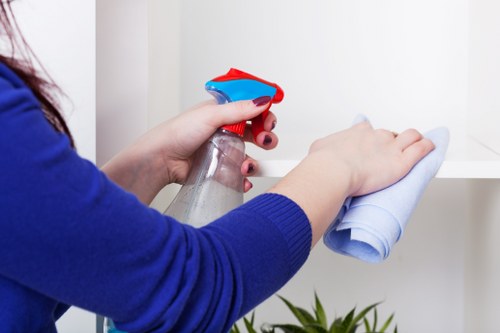
Communal area cleaning is one of the most important services for residential blocks, apartment buildings, housing estates, office complexes, and mixed-use properties. These shared spaces are seen every day by residents, visitors, employees, and delivery teams, which means they quickly shape the overall impression of a building. A spotless lobby, polished hallway, and fresh-smelling stairwell can instantly make a property feel cared for, while neglected shared spaces can create frustration, complaints, and even health concerns.
When people think about property maintenance, they often focus on the exterior or on individual units. However, communal area cleaning plays a central role in preserving hygiene, safety, and comfort across the entire building. From entrance foyers to lifts, corridors, and shared kitchens, each area requires regular attention to keep dust, litter, stains, and germs under control. This is especially true in high-traffic buildings where many people touch doors, handrails, switches, and buttons every day.
Clean communal spaces do more than look good. They help reduce allergens, prevent the spread of bacteria, and lower the risk of slips, trips, and unpleasant odors. In addition, consistent communal area cleaning supports property value, tenant satisfaction, and long-term building upkeep. For landlords, facilities managers, housing associations, and residents’ committees, it is a practical investment that delivers visible and lasting results.
What Communal Area Cleaning Includes
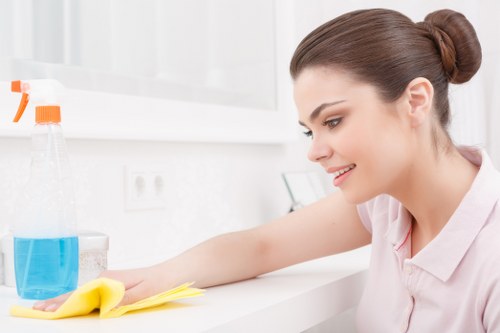
Communal area cleaning covers any shared space used by multiple occupants or visitors. The exact service can vary depending on the property type, but it usually includes a combination of routine cleaning tasks, spot cleaning, sanitizing, waste management, and periodic deep cleaning. The goal is to maintain a consistent standard of cleanliness across the building, not just to tidy up when problems become obvious.
Typical areas covered by communal area cleaning services include:
- Entrance lobbies and reception areas
- Hallways and corridors
- Staircases and landings
- Lifts and elevator interiors
- Shared kitchens and break rooms
- Shared bathrooms and washrooms
- Bin rooms and waste disposal areas
- Communal windows, skirting boards, and door frames
- Handrails, switches, push plates, and touchpoints
Some buildings also require external communal upkeep such as entrance steps, porch areas, bin store cleaning, and exterior glass care. A tailored approach is usually best because each property has different foot traffic levels, surfaces, and hygiene needs. In other words, effective communal area cleaning is never one-size-fits-all.
Benefits of Professional Communal Area Cleaning
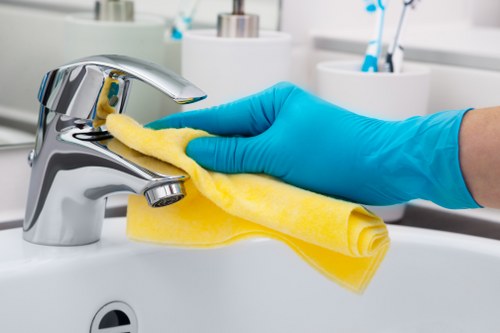
Professional communal area cleaning offers a range of practical benefits that go well beyond appearance. One of the biggest advantages is consistency. A trained cleaning team follows a planned schedule, uses the right products, and completes tasks systematically so that no important area is missed. This creates a reliable standard that residents and building users can depend on.
Another major benefit is hygiene. Shared spaces can become breeding grounds for germs because of frequent contact and varied usage patterns. Regular disinfection of high-touch points such as railings, handles, and buttons can reduce the spread of illness-causing bacteria and viruses. This is especially relevant in apartments, offices, care environments, and any building where many people come and go throughout the day.
Professional communal area cleaning also supports safety. Dirt, moisture, clutter, and spills can lead to accidents if they are not addressed promptly. Cleaners help reduce hazards by removing obstructions, cleaning slippery surfaces, and reporting maintenance issues such as broken lights, damaged flooring, or leaks. That combination of cleaning and observation can prevent small problems from becoming bigger and more expensive.
Additional advantages include:
- Improved first impressions for visitors and potential tenants
- Reduced complaints from residents or staff
- Better protection for flooring, carpets, and fixtures
- More pleasant day-to-day use of the building
- Longer-lasting value for the property overall
Common Challenges in Communal Area Cleaning
Unlike single-occupancy spaces, communal areas are used by many people with different habits, routines, and expectations. This creates unique cleaning challenges. High foot traffic means dust and debris build up quickly. Door handles, elevator controls, and banisters are touched constantly. Litter can appear suddenly, and wet weather can bring mud, leaves, and water into entranceways and corridors.
Another common issue is inconsistent use. Some shared areas are busy during office hours but quiet in the evening. Others, such as apartment corridors and staircases, may be heavily used at all hours. This means communal area cleaning must be timed carefully so it does not disrupt residents or business activity while still keeping the building clean when it matters most.
There are also practical difficulties related to access, scheduling, and responsibility. In some buildings, different groups manage different spaces, which can create confusion about who is accountable for cleaning tasks. A clear cleaning plan helps solve this by defining tasks, frequency, and service expectations. It also reduces misunderstandings between residents, landlords, managing agents, and contractors.
Challenges often include:
- Fast re-soiling due to heavy use
- Odors from waste rooms or shared bins
- Stains on carpets or hard flooring
- Finger marks on glass, doors, and lifts
- Lack of coordination between stakeholders
Best Practices for Effective Communal Area Cleaning
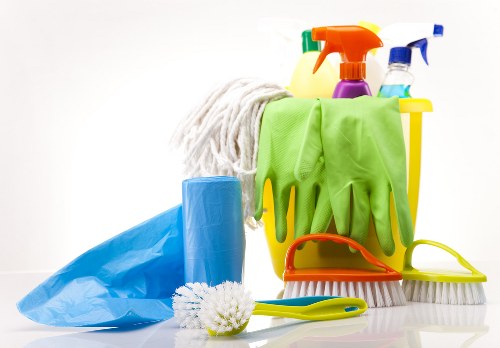
To get the best results from communal area cleaning, it helps to follow a structured and proactive routine. The most effective cleaning programs begin with a site assessment. This identifies the busiest areas, the surfaces that need special care, and the times of day when cleaning can be done with minimal disruption. Once the property is understood, a tailored schedule can be created.
Frequency matters. High-traffic entrances and hallways may need daily cleaning, while less-used areas may only require attention several times a week. Some tasks, such as bin room sanitation or lift detailing, might be needed on a more frequent basis during busy seasons or in buildings with larger numbers of occupants. Periodic deep cleaning should also be planned to tackle embedded dirt and restore surfaces.
Using the right cleaning products and equipment is equally important. Hard floors may need vacuuming, sweeping, mopping, or machine scrubbing, depending on the material. Carpets often benefit from vacuuming and periodic extraction cleaning. Glass, stainless steel, and high-touch surfaces should be cleaned with appropriate products that remove grime without causing damage. Using the wrong chemical can dull finishes, leave residue, or create safety issues, so product selection should be deliberate.
Essential best practices include:
- Creating a documented cleaning schedule
- Focusing on touchpoints and high-traffic zones
- Using color-coded tools to reduce cross-contamination
- Checking and replenishing consumables where needed
- Recording completed tasks for accountability
Communal Area Cleaning for Different Types of Buildings
Not every property requires the same level or style of communal area cleaning. A small residential block has different needs from a large office building, and a student accommodation site is different again. The best cleaning service adapts to the environment, the amount of traffic, and the expectations of the people using the building.
In residential blocks, the focus is usually on maintaining hallways, staircases, entrances, lifts, and bin stores. Residents value reliable cleaning, low disturbance, and careful attention to shared touchpoints. In office environments, communal area cleaning may prioritize reception areas, break rooms, washrooms, and meeting space common zones, with a strong emphasis on hygiene and presentation.
Mixed-use developments often require even more coordination because residential and commercial users share some of the same routes and facilities. In these settings, communal area cleaning helps create order and consistency across different usage patterns. That may include timed cleaning windows, separate waste handling routines, and targeted deep-cleaning sessions in high-use areas.
Examples by property type:
- Apartment blocks: entrances, corridors, stairs, lifts, and bin storage
- Offices: shared kitchens, toilets, foyers, and meeting areas
- Student housing: high-touch cleaning, bathrooms, and communal lounges
- Care settings: sanitization, infection control, and calm, tidy spaces
- Retail or mixed-use sites: public-facing floors, entrances, and service areas
Health, Hygiene, and Infection Control
One of the strongest reasons to prioritize communal area cleaning is health protection. Shared spaces naturally carry a higher risk of contamination because many people move through them each day. Bacteria, viruses, and allergens can linger on surfaces or in dusty corners if they are not regularly cleaned. Routine cleaning helps reduce this risk and supports a healthier environment for everyone.
High-touch areas should be cleaned more often than low-contact surfaces. These include lift buttons, handles, railings, light switches, intercoms, and mailboxes. In periods when seasonal viruses spread more easily, this becomes even more important. A thorough communal area cleaning routine can reduce the spread of germs while also improving the perception of hygiene among building users.
Allergen control is another important factor. Dust, pollen, mold spores, and pet hair can collect in corners, on skirting boards, and in ventilation-adjacent areas. Regular vacuuming, dusting, and floor care can help manage these irritants. For residents or staff with asthma or sensitivities, cleaner communal spaces can make a noticeable difference to comfort and wellbeing.
Cleanliness supports wellbeing by:
- Reducing germ transfer from shared surfaces
- Lowering dust buildup in common routes
- Improving air freshness and perceived cleanliness
- Making the environment more pleasant for vulnerable users
How to Build a Strong Communal Area Cleaning Schedule
A strong cleaning schedule is the backbone of a successful communal area cleaning program. Without planning, service can become inconsistent, which leads to visible dirt, complaints, and faster wear on surfaces. A structured plan ensures each area gets the attention it needs at the right interval.
The schedule should be based on usage patterns. For example, entrances may need daily attention, while stairwells might need multiple weekly visits depending on traffic. Waste rooms may require extra sanitation, especially in warmer weather or in buildings with a large number of occupants. Seasonal changes should also be considered because rain, snow, and falling leaves increase tracking and debris.
It is also wise to include periodic inspections. These allow property managers or cleaning supervisors to check whether standards are being maintained and whether the schedule needs adjustment. If a corridor gets dirty faster than expected, the plan can be updated immediately rather than waiting until the problem worsens. That flexibility is a major part of effective communal area cleaning.
A practical schedule may include:
- Daily cleaning of entrances and touchpoints
- Regular vacuuming or mopping of corridors and stairs
- Weekly detailing of lifts, windows, and skirting boards
- Periodic bin room sanitation and deodorizing
- Monthly or quarterly deep cleaning as needed
Choosing the Right Cleaning Approach and Products
Effective communal area cleaning depends on using the right method for the right surface. Not all floors, walls, and fixtures respond the same way to cleaning products. For example, carpeted hallways need different care from tiled or vinyl flooring. Similarly, stainless steel lift panels require gentle but effective wiping to maintain shine without scratching.
Eco-conscious cleaning has become increasingly important as more building operators look for ways to reduce environmental impact. Low-toxicity products, controlled dosing systems, and microfiber tools can help improve results while reducing waste. Environmentally responsible communal area cleaning can still be highly effective when handled by trained staff using modern techniques.
Microfiber cloths, HEPA-filter vacuums, and well-maintained mopping systems are especially useful because they trap dust and remove particles efficiently. When combined with scheduled cleaning and proper training, these tools support a consistently high standard. The key is to choose products and equipment that match the material, the frequency of use, and the overall hygiene goals of the property.
Consider the following when selecting products:
- Surface compatibility
- Safety for residents and visitors
- Environmental impact
- Odor control
- Ease of use and residue levels
Communal Area Cleaning and Property Presentation
Presentation matters more than many people realize. The condition of communal spaces often shapes how a property is perceived before someone even reaches a private unit or office. Clean floors, clear walkways, and spotless glass can make a building feel more secure, more professional, and more welcoming.
This visual impact is important for existing occupants as well as newcomers. Residents are more likely to feel proud of their building when shared spaces are clean and well maintained. Businesses benefit too, because clients and staff often judge the organization by the condition of the entrance and common areas. For this reason, communal area cleaning is also a branding and reputation issue.
Well-presented communal spaces can even contribute to tenant retention. People are more likely to renew leases or speak positively about a property when they see that management pays attention to everyday details. In that sense, cleaning is not just a maintenance task; it is part of the overall experience of the building.
Why Regular Inspections and Reporting Matter
Even the best communal area cleaning routines benefit from regular inspection. A cleaning team may complete all scheduled tasks, but small issues can still go unnoticed unless someone checks the results. Inspection helps maintain standards, identify recurring problems, and ensure that service levels match expectations.
Reporting is equally important. If a cleaner notices a broken light, damaged floor tile, leak, vandalism, or pest sign, that information should be passed on quickly. This turns cleaning staff into an extra set of eyes for building management. It also helps prevent minor issues from becoming costly repairs or safety risks.
Clear reporting systems improve accountability. They show what was cleaned, when it was cleaned, and whether any unusual problems were found. Over time, this creates a clearer picture of building condition and makes it easier to plan maintenance budgets. In short, strong reporting adds intelligence to communal area cleaning and makes the entire process more effective.
Making Communal Area Cleaning Work for Residents and Businesses
The most successful communal area cleaning programs are built around the people who use the space. In residential buildings, this means balancing cleanliness with quiet, respectful working hours. In offices, it means keeping common areas presentable without interrupting work. In all cases, the service should feel smooth, unobtrusive, and dependable.
Communication helps make this possible. When occupants understand the cleaning schedule, the areas covered, and the benefits of the service, they are more likely to cooperate and respect shared spaces. Small habits such as disposing of litter properly, wiping up spills, and reporting issues promptly can greatly improve results. Clean communal spaces are a shared responsibility, even when the actual cleaning is handled professionally.
If your building is struggling with dirt, odors, or inconsistent standards, it may be time to review the current cleaning routine. A well-planned communal area cleaning service can transform the daily experience of everyone in the property. Book your service now and create a cleaner, safer shared environment that people notice for the right reasons.
Frequently Asked Questions About Communal Area Cleaning
How often should communal areas be cleaned?
The ideal frequency depends on foot traffic, building type, and the specific area. Entrances and touchpoints often need daily cleaning, while other spaces may need several visits per week. Deep cleaning should also be scheduled periodically.
What is included in communal area cleaning?
It typically includes cleaning hallways, stairs, lobbies, lifts, shared bathrooms, kitchens, bin areas, windows, and other common spaces. High-touch surfaces are usually disinfected as part of the service.
Why is communal area cleaning important?
It improves hygiene, safety, appearance, and overall building value. Clean shared spaces also reduce complaints and create a better experience for residents, staff, and visitors.
Can communal area cleaning be eco-friendly?
Yes. Many services use environmentally conscious products, microfiber systems, and efficient equipment to reduce waste while maintaining strong cleaning results.
Final Thoughts on Communal Area Cleaning
Communal area cleaning is an essential part of maintaining any shared property. It protects health, supports safety, enhances presentation, and creates a more pleasant environment for everyone who uses the building. Whether the property is residential, commercial, or mixed-use, a thoughtful cleaning plan can make a significant difference in daily life.
By focusing on regular schedules, trained staff, the right products, and clear communication, building managers and owners can keep shared spaces in excellent condition. That consistency builds trust, improves satisfaction, and helps preserve the property over time. If your building needs a higher standard of care, now is the right moment to act. Contact us today and book your service now to keep your communal areas fresh, safe, and professionally maintained.