Office Cleaning: Creating a Cleaner, Healthier, and More Productive Workplace
Why Office Cleaning Matters for Every Business
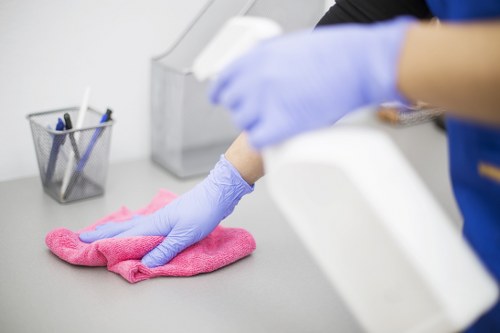
Office cleaning is far more than a cosmetic task. A clean workplace affects how employees feel, how customers perceive your business, and how smoothly daily operations run. When desks are tidy, floors are spotless, and shared areas are sanitized, the entire environment feels more professional and more organized.
For many companies, office cleaning is also directly connected to employee well-being. Dust, allergens, bacteria, and clutter can quickly build up in busy environments, especially in open-plan offices and high-traffic spaces. Regular cleaning helps reduce these issues while supporting a healthier workplace for everyone.
From a business perspective, professional office cleaning can also protect your assets. Carpets, furniture, flooring, glass, and equipment all last longer when they are maintained properly. That means fewer replacements, less wear and tear, and a better long-term return on investment.
What Office Cleaning Usually Includes
Every workplace has different needs, but most office cleaning services include a mix of routine tasks and deeper sanitation work. These services are designed to keep work areas presentable, safe, and hygienic throughout the week.
Typical office cleaning tasks may include vacuuming carpets, mopping hard floors, dusting desks and shelves, wiping surfaces, sanitizing high-touch points, emptying bins, and cleaning restrooms. In many cases, kitchen and break room cleaning is also included because these areas can become major sources of germs and odors.
Many businesses also request extra services such as window cleaning, deep carpet care, upholstery cleaning, and disinfecting shared equipment. The scope of work often depends on the size of the office, the number of employees, the type of business, and how often the space is used.
Common cleaning tasks in office environments

To better understand what a professional office cleaning plan may cover, it helps to break the work into daily, weekly, and periodic tasks. This keeps cleaning consistent and ensures important areas do not get overlooked.
- Desk and workstation surface cleaning
- Keyboard, phone, and high-touch sanitizing
- Trash removal and liner replacement
- Restroom disinfection and restocking
- Kitchen and break room wipe-downs
- Floor care, including vacuuming and mopping
- Glass and mirror polishing
- Dusting vents, fixtures, and ledges
A structured office cleaning checklist makes it easier to maintain standards and deliver reliable results. It also ensures the cleaning team understands which tasks need attention every visit and which ones are scheduled less frequently.
The Business Benefits of Office Cleaning
One of the biggest advantages of consistent office cleaning is improved productivity. Employees tend to focus better in clean, clutter-free spaces. When they are not distracted by overflowing bins, dusty surfaces, or messy common areas, they can concentrate more easily on their work.
Clean offices also create a stronger first impression. Whether you welcome clients, partners, or job candidates, the appearance of your workspace influences how your brand is perceived. A polished office suggests professionalism, attention to detail, and care for both employees and visitors.
There are health-related benefits as well. Regular office cleaning services help reduce the spread of germs, especially in shared environments where people touch the same surfaces throughout the day. Sanitizing door handles, light switches, counters, and communal devices can support a healthier workplace and potentially reduce sick days.
How cleanliness supports productivity
Employees often perform better when they work in spaces that feel organized and well cared for. A clean office can reduce stress, improve morale, and encourage more efficient routines. It can also support better time management because staff spend less time dealing with mess or searching for misplaced items.
In practical terms, office cleaning also reduces downtime caused by maintenance issues. For example, spills that are cleaned quickly are less likely to cause stains or accidents. Likewise, regular dust removal can help protect electronics, while proper floor care can prevent slippery surfaces and damage.
Businesses that invest in professional office cleaning often notice that employees take more pride in their environment. That sense of shared responsibility can create a more positive and professional company culture overall.
Types of Office Cleaning Services

Different workplaces need different approaches. A law office, creative agency, medical practice, coworking space, and corporate headquarters all have distinct cleaning requirements. Choosing the right office cleaning service means matching the service plan to the size, layout, and daily use of the building.
1. Daily cleaning
Daily cleaning is ideal for busy offices with high foot traffic. It usually includes trash removal, restroom cleaning, surface wiping, floor maintenance, and kitchen tidying. This type of service helps keep standards high throughout the week and prevents buildup from becoming a problem.
2. Weekly cleaning
Weekly cleaning works well for smaller offices or businesses with lower occupancy. It can include a more detailed version of routine cleaning tasks and may also involve deeper attention to less-used areas such as meeting rooms or storage spaces.
3. Deep cleaning
Deep office cleaning focuses on areas that are not handled in the daily routine. This may include carpet extraction, detailed dusting, sanitizing vents, cleaning baseboards, and thoroughly disinfecting kitchens and restrooms. Many businesses schedule deep cleaning periodically to maintain long-term cleanliness.
4. Specialized cleaning
Some offices require specialized support, such as post-construction cleaning, high-level glass cleaning, or cleaning for sensitive environments. Businesses with specific compliance requirements may also need tailored sanitizing procedures and documentation.
How to Build an Effective Office Cleaning Schedule
A successful office cleaning plan starts with a clear schedule. Rather than leaving cleaning tasks to chance, businesses should define how often each area needs attention and what standards are expected. This creates consistency and helps ensure nothing important gets missed.
A practical schedule often divides tasks into daily, weekly, monthly, and quarterly categories. For example, daily tasks may include removing trash and cleaning restrooms, while monthly tasks could include deep carpet maintenance or polishing hard floors. This approach keeps the office looking fresh without overloading the cleaning team.
When planning your schedule, think about foot traffic, department activity, the nature of your business, and the number of shared spaces. Offices with client-facing reception areas may need more frequent cleaning than private back offices, while kitchens and restrooms often need the highest level of attention.
Sample office cleaning schedule
- Daily: touchpoint disinfection, vacuuming, trash removal, restroom sanitation
- Weekly: desk dusting, glass polishing, break room detailing, floor spot treatment
- Monthly: baseboards, vents, detailed furniture cleaning, appliance care
- Quarterly: deep carpet cleaning, high dusting, full sanitation review
Choosing the Right Office Cleaning Approach
Selecting an office cleaning approach depends on your goals, budget, and workspace needs. Some businesses need a full-service plan, while others only require periodic support. Either way, the key is to make sure the service is reliable, thorough, and suited to the office environment.
One important consideration is whether you want in-house cleaning or outsourced office cleaning services. In-house teams may offer more direct control, but outsourcing often provides greater flexibility, specialized equipment, and trained professionals who are ready to handle different surfaces and sanitation needs.
You should also think about service quality, cleaning products, and operational hours. Many businesses prefer cleaning outside business hours so the work does not interrupt staff or visitors. Green cleaning products may also be a priority for companies focused on sustainability and indoor air quality.
Questions to ask before choosing a service
- What tasks are included in the standard cleaning plan?
- How often will the office be cleaned?
- Are cleaning products safe for staff and visitors?
- Can the service be customized for our workspace?
- How are quality checks handled?
Office Cleaning and Workplace Health
A clean office supports better hygiene, which matters in every season. Shared surfaces can collect germs quickly, especially in areas such as reception desks, conference rooms, kitchens, restrooms, and printer stations. Routine office cleaning helps lower the risk of cross-contamination and creates a more sanitary environment overall.
Air quality is another important factor. Dust, pollen, and other particles can accumulate in workspaces, affecting comfort and potentially contributing to allergies or irritation. Regular dusting, vacuuming, and ventilation maintenance all support a healthier indoor environment.
In offices where employees spend long hours at their desks, cleanliness can also influence mental comfort. A tidy space often feels more calming and less stressful. That matters because workplace wellness is not just about physical health; it also includes focus, clarity, and peace of mind.
High-touch areas that need frequent attention
Some areas require more frequent sanitizing than others because many people touch them throughout the day. These spots should be a priority in any office cleaning plan.
- Door handles and push plates
- Light switches and elevator buttons
- Shared keyboards and mice
- Copiers and printers
- Kitchen appliances and countertops
- Conference table surfaces
- Bathroom fixtures and faucets
Keeping these areas clean can make a noticeable difference in overall hygiene. It also helps reinforce a culture of care and responsibility throughout the workplace.
Best Practices for Maintaining a Clean Office Between Services
Even with professional office cleaning, day-to-day habits matter. The most successful workplaces combine scheduled cleaning with simple routines that keep clutter and mess under control between visits. This makes the environment easier to maintain and improves results over time.
Employees can help by keeping desks organized, disposing of trash properly, wiping up spills promptly, and cleaning communal spaces after use. Small actions like these reduce the pressure on the cleaning team and protect the appearance of the office throughout the day.
Businesses can also improve cleanliness by setting expectations. For example, a “clear desk” policy at the end of the day can make nightly cleaning more effective. Labeling storage areas, providing enough bins, and encouraging shared responsibility all contribute to a cleaner workplace.
Simple habits that support office cleanliness
- Keep personal workstations clutter-free
- Clear dishes and food from break areas
- Report spills and maintenance issues quickly
- Use mats at entrances to reduce dirt buildup
- Store cleaning supplies in accessible, designated places
Office Cleaning for Different Business Sizes
The needs of a small startup are not the same as those of a large corporate office. That is why office cleaning should be tailored to the size and structure of the workplace. A compact office may only need a focused routine, while a multi-floor building may require a detailed plan with multiple cleaning zones.
Smaller offices often benefit from flexible cleaning schedules and targeted support for restrooms, kitchens, and common workspaces. Larger businesses may need teams assigned to specific areas, along with more frequent checks on high-traffic locations. In all cases, consistency is essential.
Multi-tenant buildings and coworking spaces may also need special attention because many different people use the same shared areas. In these settings, cleaning not only keeps spaces attractive but also helps manage wear, odors, and sanitation concerns more effectively.
Key considerations by office size
- Small offices: flexible schedules, compact service plans, high-priority common areas
- Medium offices: balanced routines, shared zone cleaning, periodic deep cleaning
- Large offices: team-based service, zone management, frequent sanitation checks
The Role of Eco-Friendly Office Cleaning
Many businesses are now looking for greener ways to maintain their facilities. Eco-friendly office cleaning uses products and practices designed to reduce environmental impact while still delivering excellent results. This approach can be appealing to companies that want to align workplace maintenance with sustainability goals.
Green cleaning often includes low-toxicity products, microfiber materials, concentrated solutions that reduce waste, and methods that minimize water use. These practices can also support indoor comfort by limiting harsh odors and reducing exposure to aggressive chemicals.
For organizations that value environmental responsibility, eco-friendly office cleaning services can be a practical choice. They help maintain a clean workspace while supporting a healthier planet and a more pleasant indoor environment.
Signs Your Office Needs Better Cleaning Support
Sometimes the signs are obvious, and sometimes they are subtle. If your office regularly looks dull, smells unpleasant, or feels disorganized, it may be time to improve your office cleaning plan. The same applies if staff are complaining about dirty restrooms, dusty surfaces, or overflowing bins.
Other warning signs include visible stains on carpets, fingerprints on glass, clutter in shared spaces, or frequent complaints about hygiene. If visitors notice cleanliness issues before they notice your service, your current cleaning approach may not be doing enough.
A stronger cleaning strategy can quickly improve the atmosphere. Whether that means increasing service frequency, adding deep cleaning, or improving quality control, the result is usually a more professional and comfortable workplace.
Common signs to watch for
- Persistent odors in break rooms or restrooms
- Visible dust on vents, desks, or shelves
- Dirty floors or stained carpets
- Trash left out too long
- Frequent employee complaints about cleanliness
Why Professional Office Cleaning Delivers Better Results
While basic cleaning routines can help, professional office cleaning services usually deliver a higher standard of care. Trained cleaners understand how to work efficiently, use the right products for different materials, and follow a detailed process that leaves fewer gaps.
Professionals also bring consistency. They know how to handle routine work while adapting to special requests, seasonal needs, or unusual cleaning challenges. That consistency matters for businesses that want dependable results without having to manage everything internally.
In many cases, professional services are also more cost-effective than trying to maintain the same quality with limited in-house resources. When you factor in labor, supplies, equipment, and training, outsourcing can be a practical and efficient solution for long-term workplace care.
Final Thoughts on Office Cleaning
Effective office cleaning is a smart investment in your company’s image, productivity, health, and long-term operations. A tidy workspace helps employees stay focused, supports better hygiene, and creates a more positive impression on everyone who walks through the door.
Whether your business needs routine maintenance, deep sanitation, or a customized plan for a busy workplace, the right cleaning strategy can make a major difference. From floors and furniture to restrooms and high-touch areas, every detail contributes to a safer and more welcoming environment.
If you want a cleaner, healthier, and more professional office environment, now is the time to take action. Contact us today to explore your options or book your service now and give your workplace the care it deserves.