Upholstery Cleaning in Homes and Businesses: A Practical Approach to Cleaner, Fresher Furniture
Upholstery cleaning is one of the most effective ways to refresh your indoor space, protect your furniture investment, and improve the overall comfort of your home or workplace. Whether you are dealing with everyday dust, accidental spills, pet hair, or deep-set odors, upholstery cleaning can transform tired-looking furniture into something that feels cleaner, healthier, and more inviting.
Unlike simple vacuuming or surface wiping, upholstery cleaning targets the fabric, padding, and hidden layers where allergens, dirt, and stains often settle. This matters because sofas, chairs, cushions, and other upholstered items are used constantly and can collect more debris than most people realize. Over time, grime builds up and can affect appearance, smell, and even indoor air quality.
For homeowners, renters, office managers, and property owners, professional upholstery cleaning is not just about making furniture look better. It is also about extending the life of fabric surfaces, improving hygiene, and supporting a more comfortable environment for family members, guests, employees, or customers. If you have been searching for an easy way to revive your furniture, upholstery cleaning is often the smartest place to start.
Why Upholstery Cleaning Matters More Than Many People Think

Many people focus on carpets and floors when thinking about cleaning, but upholstered furniture deserves just as much attention. Sofas and chairs are touched, sat on, leaned against, and used every day. As a result, they trap dust, pollen, food crumbs, pet dander, body oils, and airborne particles that settle into the fibers.
Without routine upholstery cleaning, these contaminants can accumulate and make furniture look dull and worn. In some cases, they can also contribute to unpleasant odors and trigger allergies or sensitivities. That is why consistent maintenance is important, especially in homes with children, pets, or frequent visitors.
Professional upholstery cleaning can also help preserve your furniture’s structure and color. Fabric fibers may weaken when dirt and oils are left untreated for too long. Regular cleaning removes abrasive particles and helps keep the textile in better condition for longer.
Common Benefits of Upholstery Cleaning
- Improves the appearance of sofas, armchairs, ottomans, and cushions
- Helps reduce dust, allergens, and trapped debris
- Removes odors caused by spills, pets, and daily use
- Supports a cleaner and more comfortable living space
- Can extend the lifespan of upholstered furniture
Understanding What Upholstery Cleaning Involves

Upholstery cleaning is the process of removing dirt, stains, and contaminants from fabric-covered furniture. The method used depends on the material, the condition of the piece, and the type of soiling involved. Cotton, microfiber, linen, velvet, leather, and synthetic blends all require different handling techniques.
In many cases, a professional upholstery cleaning service begins with inspection. The technician checks the fabric type, colorfastness, stitching, padding, and any visible wear. This step is important because using the wrong product or amount of moisture can damage delicate upholstery.
After inspection, the cleaning process may include vacuuming, pre-treatment, stain treatment, steam extraction, low-moisture cleaning, or specialty methods for fragile materials. The goal is to clean thoroughly while protecting the furniture’s texture and shape.
Popular Upholstery Cleaning Methods
Different fabrics respond better to different techniques. Here are some of the most common methods used in upholstery cleaning:
- Hot water extraction - Often used for durable synthetic fabrics and heavily soiled pieces.
- Dry cleaning - Suitable for sensitive fabrics that should not be exposed to excess moisture.
- Foam cleaning - Uses controlled moisture and specialized foam to lift dirt from fibers.
- Encapsulation - A low-moisture method that traps soil in crystals for easy removal.
- Leather cleaning and conditioning - Designed to clean, protect, and maintain leather upholstery.
Signs Your Furniture Needs Upholstery Cleaning
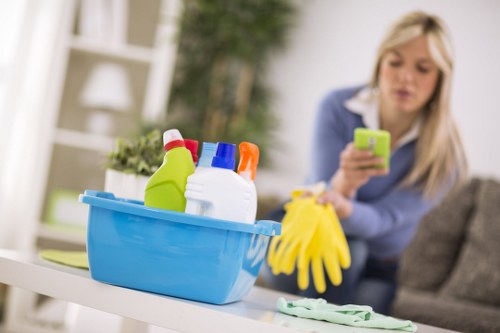
It is not always easy to tell when furniture needs attention. Some signs are obvious, while others build gradually over time. If your sofa or chair no longer looks bright and fresh, upholstery cleaning may be overdue.
Visible stains are an obvious indicator, but they are not the only one. Darkening in high-contact areas, lingering odors, flattened fabric, or a dull overall appearance often mean that dirt has settled deeper than the surface. If you notice that cushions feel sticky or dusty, that is another clue.
Homes with pets, smokers, or high foot traffic often need upholstery cleaning more frequently. The same is true for offices, waiting rooms, rentals, and hospitality spaces where furniture is used by many people every day.
Common Warning Signs
- Stains or spots that do not come out with light cleaning
- Musty, sour, or pet-related odors
- Dust or debris visible in seams and creases
- Fabric that looks faded, gray, or uneven
- Allergy flare-ups or frequent sneezing near furniture
- Sticky, oily, or rough-feeling upholstery surfaces
If any of these issues sound familiar, it may be time to book upholstery cleaning before the buildup becomes harder to remove.
Upholstery Cleaning for Different Fabric Types

One of the most important parts of upholstery cleaning is matching the method to the fabric. Using the wrong cleaning solution or too much water can cause shrinkage, discoloration, or texture damage. This is why fabric identification matters so much.
For example, microfiber is usually durable and responds well to gentle cleaning or extraction methods, while velvet requires a more careful approach to protect the pile. Linen can be elegant but sensitive, and some natural fibers may need lower-moisture treatment. Leather is a separate category altogether and should be cleaned and conditioned with products specifically made for it.
Professional upholstery cleaning is especially valuable when you are unsure what the material can handle. A trained cleaner can identify the fabric code, assess the safest method, and treat the surface without causing unnecessary wear.
Fabric-Specific Considerations
- Cotton: Comfortable and breathable, but may absorb spills quickly.
- Microfiber: Often easy to clean, but can show water marks if treated improperly.
- Velvet: Needs delicate handling to preserve texture and sheen.
- Linen: Can stain easily and may require careful low-moisture treatment.
- Leather: Requires cleaning plus conditioning to help maintain softness.
- Synthetic blends: Usually durable, but still benefit from routine cleaning.
Why Fabric Testing Is Important
Testing a small hidden area before full treatment helps determine whether the fabric is colorfast and moisture-safe. This simple step prevents costly mistakes and supports a better result overall.
How Upholstery Cleaning Improves Indoor Health and Comfort

Many people think of upholstery cleaning as a cosmetic service, but its impact goes much further. Fabric furniture can hold dust mites, allergens, pollen, pet hair, and other particles that circulate throughout a room. Cleaning those surfaces can support a healthier indoor environment.
In homes with young children or pets, furniture often becomes a place where crumbs, oils, and daily grime collect quickly. Over time, this buildup can affect both cleanliness and comfort. Upholstery cleaning helps reduce these residues, making the space feel fresher and more pleasant.
Regular upholstery cleaning can also improve comfort by restoring the softness and appearance of your furniture. When fibers are free of embedded dirt, the surface feels cleaner and looks more inviting. That matters in both residential and commercial spaces, where first impressions are important.
Health and Comfort Advantages
- Can reduce trapped allergens and dust buildup
- Helps remove odors that affect room freshness
- Supports a more pleasant seating experience
- Improves the overall presentation of the room
- May help furniture feel less sticky or grimy
For many households, investing in upholstery cleaning is part of maintaining a cleaner, more relaxing lifestyle. For workplaces, it contributes to a polished environment that employees and visitors can appreciate.
Professional Upholstery Cleaning vs. DIY Cleaning
Some light upholstery maintenance can be done at home, but there is a major difference between spot cleaning and a full upholstery cleaning treatment. DIY efforts can help with small marks, yet they often do not reach deep-seated soil or hidden odors.
Home cleaning methods also carry risks. Too much soap can leave residue. Too much water can soak the cushioning underneath and create drying issues. Using the wrong product can cause fading or fabric damage. This is especially true for delicate fabrics and older furniture.
Professional upholstery cleaning offers a more controlled process, specialized equipment, and knowledge of fabric care. The result is usually deeper cleaning with less risk. For valuable furniture, antique pieces, or items exposed to heavy use, this level of care is often worth it.
DIY Cleaning May Work For
- Small, fresh spills if addressed quickly
- Light vacuuming of lint and surface dust
- Basic maintenance between professional services
Professional Cleaning Is Better For
- Set-in stains and odors
- Large sectional sofas and heavily used furniture
- Delicate fabrics and specialty materials
- Deep cleaning before moving, hosting, or renting
If you want reliable results and better fabric protection, professional upholstery cleaning is usually the safer choice.
What to Expect During a Upholstery Cleaning Service
Understanding the process can make the experience feel easier and more worthwhile. A typical upholstery cleaning appointment begins with a discussion of the furniture condition, the problem areas, and the type of fabric involved. The cleaner then inspects the item to determine the best approach.
Next, loose dust and debris are removed using vacuuming and brushing tools. This prepares the fabric for deeper treatment. If there are stains, a pre-treatment solution may be applied to help loosen them before extraction or targeted cleaning.
After the cleaning phase, the technician may remove excess moisture and groom the fabric for a uniform finish. Drying time depends on the material, the cleaning method, and room ventilation. Most importantly, the piece should be left clean, refreshed, and ready for use after appropriate drying.
Typical Service Steps
- Inspection and fabric identification
- Vacuuming and dry soil removal
- Pre-treatment of stains and problem areas
- Main upholstery cleaning process
- Moisture extraction or drying support
- Final review and fabric grooming
How Often Should Upholstery Be Cleaned?
The ideal schedule for upholstery cleaning depends on usage, fabric type, and household conditions. As a general rule, many upholstered items benefit from professional cleaning every 12 to 18 months. However, higher-traffic environments may need attention more often.
For example, a family sofa used daily by children and pets will likely need upholstery cleaning more frequently than a rarely used guest chair. In offices or commercial settings, the schedule may need to be adjusted based on foot traffic, visibility, and hygiene expectations.
Routine maintenance is key. Even if you do not schedule frequent deep cleaning, regular vacuuming, prompt spill cleanup, and odor control can help preserve the look and feel of your furniture between services.
Suggested Cleaning Frequency
- Low-use furniture: Every 18 to 24 months
- Moderate-use furniture: Every 12 to 18 months
- High-use homes or offices: Every 6 to 12 months
- Homes with pets or allergy concerns: More frequently as needed
Tips to Keep Upholstery Cleaner for Longer
After investing in upholstery cleaning, it makes sense to protect the results. A few simple habits can help your furniture stay cleaner between professional visits. The goal is not perfection, but consistent care.
Vacuum your upholstery regularly using an attachment suitable for fabric surfaces. This helps remove surface dust and debris before it settles deeper. Rotate cushions when possible to reduce uneven wear. Keep food and drinks away from light-colored or delicate fabrics whenever you can.
Spill response matters too. Blot, do not rub, when accidents happen. Rubbing can spread the stain and push it deeper into the fibers. Using a fabric-safe cleaner is often better than guessing with household products. For stubborn marks, consider scheduling upholstery cleaning sooner rather than later.
Practical Maintenance Habits
- Vacuum weekly or as needed
- Address spills immediately
- Use throws or covers in high-use areas
- Keep pets’ paws and fur under control where possible
- Limit direct sunlight to help reduce fading
- Schedule professional upholstery cleaning on a regular cycle
Why Upholstery Cleaning Supports Furniture Longevity
Furniture is an investment, and upholstery cleaning helps protect that investment. Dirt particles can act like tiny abrasives that wear down fibers over time. Oils from skin and hair can also attract more soil, creating a cycle that makes furniture deteriorate faster.
By removing these contaminants, upholstery cleaning helps preserve fabric integrity and keep the furniture looking newer for longer. This can reduce the need for premature replacement and help you get more value from the pieces you already own.
Well-maintained furniture also contributes to the overall style of a room. A clean sofa or chair can make an entire space feel more polished, whether you are preparing a home for family use or maintaining a professional atmosphere for customers or staff.
Long-Term Value of Regular Cleaning
- Preserves fabric appearance and texture
- Helps reduce wear caused by embedded dirt
- Supports better odor control
- Can improve resale or presentation value
- Delays the need for costly replacement
Choosing the Right Upholstery Cleaning Approach
Not every piece of furniture needs the same treatment, and that is why upholstery cleaning should be tailored to the item. The best approach depends on the fiber type, age of the furniture, level of soiling, and whether the fabric has special care requirements.
If the furniture is valuable, delicate, or heavily stained, professional evaluation is the safest option. For everyday furniture in good condition, a routine upholstery cleaning plan can maintain freshness and reduce long-term buildup.
When choosing a service, look for one that focuses on fabric-safe methods, careful inspection, and effective soil removal. The best results usually come from a combination of technique, experience, and the right cleaning products.
Questions to Consider Before Cleaning
- What fabric is the furniture made from?
- Are there visible stains or hidden odor issues?
- Has the item been professionally cleaned before?
- Does the material require low-moisture or dry methods?
- Is the furniture used daily or only occasionally?
Final Thoughts on Upholstery Cleaning
Upholstery cleaning is one of the most useful ways to maintain a fresh, attractive, and healthier indoor space. It improves appearance, helps control odors, supports better hygiene, and can extend the life of your furniture. Whether you are caring for a sofa at home, chairs in an office, or upholstered pieces in a rental property, regular attention makes a noticeable difference.
From routine maintenance to deep-clean treatments, the right upholstery cleaning plan can restore comfort and help your furniture look its best. The key is using the proper method for the fabric and staying consistent over time. That way, you can enjoy cleaner surfaces, a more inviting room, and better long-term value from your furniture.
Ready to refresh your furniture? Contact us today and book your service now to give your upholstery the care it deserves.