Regular Cleaning in Modern Spaces: Why It Matters, How It Works, and What to Expect
Understanding the Value of Regular Cleaning

Regular cleaning is more than a routine chore; it is a practical investment in comfort, hygiene, and long-term property care. Whether you manage a home, office, retail space, or rental property, keeping a space consistently clean can improve appearance, reduce stress, and support healthier living conditions. In busy households and workplaces, regular cleaning helps prevent dirt buildup before it becomes a bigger problem.
Many people think of cleaning as something to do only when surfaces look dusty or when a space begins to feel cluttered. In reality, regular cleaning creates a steady rhythm that keeps mess under control and makes every environment more pleasant to use. A clean area also sends a strong message: it reflects care, professionalism, and attention to detail.
For businesses, regular cleaning can influence customer perception, staff morale, and even productivity. For homeowners, it supports a more organized lifestyle and can help preserve furniture, flooring, and appliances. When cleaning is done consistently, the result is not just visual appeal but a better day-to-day experience.
Why Regular Cleaning Should Be a Priority
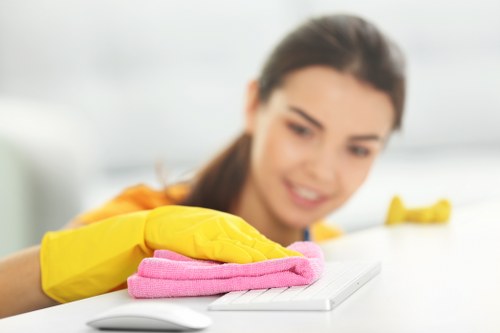
One of the biggest benefits of regular cleaning is that it stops small issues from turning into expensive ones. Dust, grease, moisture, and grime build up over time and can cause lasting damage if ignored. By cleaning on a regular schedule, you reduce wear and tear on surfaces and equipment.
Another major reason to prioritize regular cleaning is hygiene. Bathrooms, kitchens, shared workspaces, and high-touch areas can quickly accumulate germs. A consistent cleaning routine helps reduce bacteria, allergens, and unpleasant odors, making the environment safer and more comfortable for everyone.
There is also a strong psychological benefit. People generally feel more relaxed and focused in clean spaces. A tidy, organized environment can reduce mental clutter and improve mood, which is why regular cleaning is often linked with lower stress levels and better overall well-being.
Key benefits at a glance
- Improves hygiene and reduces allergens
- Preserves the condition of surfaces and fixtures
- Creates a more welcoming environment
- Supports productivity and focus
- Reduces the need for intensive deep cleaning
Regular Cleaning in Homes: A Practical Everyday Habit
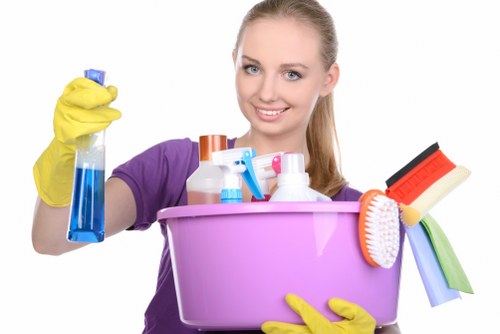
In residential settings, regular cleaning plays a major role in maintaining comfort and order. Homes naturally collect dust, crumbs, pet hair, laundry, and general clutter. Without a consistent routine, these small messes can grow quickly and make the space feel overwhelming.
A smart approach to regular cleaning in the home is to break tasks into daily, weekly, and monthly activities. Daily tasks might include wiping kitchen counters, washing dishes, and putting items back in place. Weekly tasks may include vacuuming, mopping, bathroom cleaning, and changing bedding. Monthly tasks often involve more detailed attention, such as cleaning behind appliances or organizing storage areas.
When regular cleaning becomes part of normal household life, the home stays more manageable. Instead of spending an entire weekend trying to catch up, families can maintain a neat environment with smaller, easier tasks. This also makes it easier to welcome guests, enjoy downtime, and stay on top of home maintenance.
Simple home cleaning priorities
- Kitchen counters and sinks
- Bathroom surfaces and fixtures
- Floors in high-traffic areas
- Dusting shelves, tables, and electronics
- Bedrooms, linens, and clutter control
Regular Cleaning in Offices and Commercial Spaces
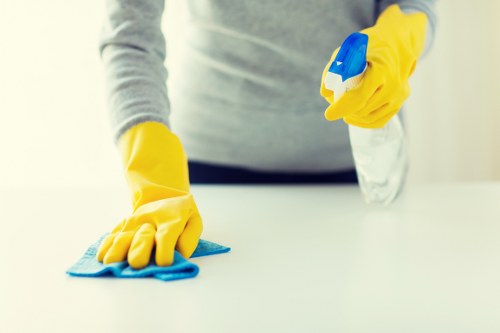
Businesses often rely on regular cleaning to maintain a professional image. Offices, reception areas, meeting rooms, break rooms, and restrooms are all spaces that employees and visitors notice immediately. A clean workplace communicates reliability and respect, while a neglected one can leave a poor impression.
Commercial cleaning schedules usually need to account for heavier foot traffic and more frequent use of shared surfaces. Desks, door handles, elevator buttons, counters, and communal equipment should be cleaned regularly to help reduce the spread of germs and maintain a polished environment. In many industries, cleanliness is also tied to safety and compliance.
Regular cleaning in offices can also support employee productivity. People tend to work better in organized, clutter-free settings. Fewer distractions, less dust, and cleaner air all contribute to a more focused work atmosphere. This is one reason many companies now see cleaning as part of their operational strategy rather than a background task.
Commercial spaces that benefit most
- Corporate offices
- Retail stores
- Medical and wellness facilities
- Restaurants and cafes
- Shared buildings and reception areas
How Regular Cleaning Supports Health and Safety
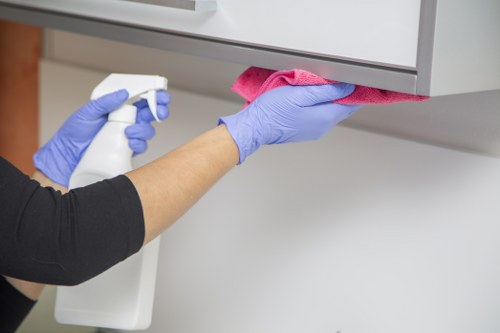
Health is one of the strongest arguments for maintaining regular cleaning. Dust, mold, pet dander, and bacteria can build up in any environment if cleaning is neglected. These issues may worsen allergies, trigger asthma, or create unpleasant living and working conditions.
Regular cleaning helps reduce these risks by removing contaminants before they spread. Kitchens benefit from frequent sanitizing because food residue can attract pests and support bacterial growth. Bathrooms need regular attention because moisture encourages mold and mildew. Floors and carpets should also be maintained because they collect particles that affect air quality.
In shared environments, regular cleaning has an additional safety benefit. Shared surfaces can pass germs from person to person, especially during seasonal illness periods. By cleaning and disinfecting high-touch points consistently, you help create a safer space for family members, employees, and visitors.
Common hygiene-focused tasks
- Disinfecting high-touch surfaces
- Cleaning sinks, toilets, and showers
- Vacuuming carpets and rugs
- Wiping kitchen appliances and counters
- Refreshing air vents and dust-prone areas
Building an Effective Regular Cleaning Routine
One of the best ways to make regular cleaning sustainable is to create a realistic routine. A good routine should match the size of the space, the number of people using it, and the level of activity it receives each day. The goal is not perfection; it is consistency.
Start by identifying the areas that need the most attention. High-traffic and high-use zones should be cleaned more often than low-traffic areas. For example, entryways, kitchens, washrooms, and workstations usually require more frequent care. Once priorities are clear, divide tasks into manageable time blocks.
It also helps to assign responsibilities. In a household, family members can share cleaning tasks. In a business, cleaning duties may be handled by staff, management, or a professional service. The key is to keep expectations clear so that regular cleaning is actually completed instead of repeatedly postponed.
A simple routine framework
- Daily: quick tidying, wiping, and surface cleaning
- Weekly: vacuuming, dusting, bathroom care, and floor maintenance
- Monthly: deeper attention to appliances, storage, and corners
- Seasonally: decluttering, organizing, and specialty cleaning tasks
Tools and Products That Make Regular Cleaning Easier
The right tools can make regular cleaning far more efficient. A well-stocked cleaning kit saves time and helps ensure that each task is done properly. While product preferences vary, most cleaning routines rely on a core set of essential supplies.
Microfiber cloths are useful because they trap dust and debris effectively. A good vacuum cleaner can handle carpets, rugs, and hard-to-reach corners. Mop systems, scrub brushes, disinfectants, and gentle all-purpose cleaners are also helpful in most settings. Choosing products that suit your surfaces is important because harsh chemicals can damage finishes.
It is also wise to keep cleaning supplies organized and easy to access. When tools are stored conveniently, regular cleaning feels less like a project and more like a natural habit. This small change often makes the difference between occasional effort and ongoing consistency.
Helpful cleaning essentials
- Microfiber cloths
- All-purpose cleaner
- Disinfectant spray or wipes
- Vacuum cleaner
- Mop and bucket
- Sponges and scrub brushes
- Trash bags and storage bins
Regular Cleaning vs. Deep Cleaning
Although they are related, regular cleaning and deep cleaning are not the same thing. Regular cleaning focuses on ongoing maintenance. It includes tasks that keep a space tidy, sanitary, and presentable on a frequent basis. Deep cleaning goes further by addressing buildup in places that are often overlooked.
For example, regular cleaning may involve wiping countertops and sweeping floors, while deep cleaning may include scrubbing grout, washing baseboards, or cleaning behind heavy furniture. Both are important, but regular cleaning is what prevents the need for deep cleaning to become overwhelming.
When both approaches are used together, the results are much better. Regular cleaning keeps the environment under control, and deep cleaning refreshes areas that need extra care. This balance helps maintain a cleaner, healthier space year-round.
How they differ
- Regular cleaning: frequent, routine maintenance
- Deep cleaning: detailed, less frequent, more intensive work
- Regular cleaning: focuses on visible and high-use areas
- Deep cleaning: targets hidden buildup and neglected spots
Common Challenges With Regular Cleaning
Even when people understand the importance of regular cleaning, it is not always easy to maintain. Busy schedules, limited energy, and unclear priorities often get in the way. Some people also struggle because they try to clean everything at once, which can make the job feel discouraging.
Another common challenge is inconsistency. A space may be cleaned thoroughly one week and then neglected the next. This stop-and-start approach usually leads to more buildup and more stress. The solution is not to work harder every time, but to create a routine that is realistic and repeatable.
Sometimes the biggest obstacle is simply not knowing where to begin. In that case, focusing on the most visible or most used areas is a smart first step. Once those spaces are handled, momentum tends to build naturally.
Ways to overcome cleaning challenges
- Use a checklist to stay organized
- Break large tasks into smaller steps
- Set time limits to avoid burnout
- Focus on high-traffic areas first
- Repeat routines at the same time each week
Why Consistency Matters More Than Intensity
When it comes to regular cleaning, consistency often matters more than doing a huge clean every once in a while. A consistent routine keeps dirt from accumulating and makes each task quicker and easier. This approach is especially valuable in busy households and commercial settings where mess builds up fast.
Intensive cleaning sessions can be useful, but they are not a substitute for regular care. If a space is left alone for too long, even a strong deep-cleaning effort may not be enough to restore it fully. On the other hand, steady maintenance keeps everything in better shape and reduces the effort required later.
This is why many property managers, business owners, and homeowners prefer a proactive cleaning model. Instead of reacting to problems after they appear, they prevent them from growing in the first place. That is the real strength of regular cleaning.
Practical consistency tips
- Keep supplies in one accessible location
- Assign tasks to specific days
- Use reminders or checklists
- Clean small messes immediately
- Review and adjust the routine as needed
Regular Cleaning and Property Value
Regular cleaning also plays a role in protecting property value. Clean spaces are easier to maintain, look better over time, and are more appealing to buyers, tenants, and visitors. Dirt and neglect can accelerate damage, while ongoing care helps preserve finishes and fixtures.
Floors, countertops, appliances, and bathroom surfaces last longer when they are cleaned properly and regularly. Even small habits, such as wiping spills quickly or vacuuming dust before it settles, can reduce long-term maintenance costs. Over time, this proactive care helps a property stay in better condition.
For landlords and property managers, regular cleaning can also improve occupancy experience. Tenants are more likely to appreciate and respect a well-maintained environment. For homeowners, it supports pride of ownership and makes future renovations or moves easier.
Long-term advantages
- Reduces repair and replacement costs
- Improves appearance over time
- Supports stronger property presentation
- Helps maintain materials and finishes
- Creates a cleaner, more attractive environment
When to Consider Professional Regular Cleaning Support
There are times when professional help can make regular cleaning more effective and less stressful. This is especially true for larger properties, busy families, offices, and spaces with specialized hygiene needs. A professional cleaning service can provide consistent support and make sure no important task is overlooked.
Professional regular cleaning services are useful when time is limited or when certain tasks require expertise and equipment. They can handle recurring maintenance, help maintain a higher standard of cleanliness, and reduce the burden on staff or household members. For many people, this support creates peace of mind and better results.
If you are thinking about outside help, look for a service that can adapt to your schedule and your specific space. The best results come from a cleaning plan tailored to your needs rather than a one-size-fits-all approach.
Situations where support may help
- Large homes with multiple high-use areas
- Busy workplaces with steady foot traffic
- Properties that require strict hygiene standards
- Homes or offices struggling to stay organized
- Spaces that need consistent maintenance year-round
Final Thoughts on Regular Cleaning
Regular cleaning is one of the simplest and most effective ways to improve the quality of any environment. It supports hygiene, reduces stress, protects property, and helps spaces remain welcoming and functional. Whether you are caring for a home or a business, consistency is the key to long-term success.
By using a routine that matches your needs, choosing the right tools, and staying focused on high-priority areas, you can make regular cleaning easier and more effective. Over time, those small actions add up to a cleaner, healthier, and more comfortable space.
If maintaining a spotless environment feels difficult to manage on your own, consider professional support to keep things on track. Book your service now and take the next step toward a cleaner, more organized property. Contact us today to keep your space looking its best with reliable regular cleaning solutions.